
Floors Built to Last Through Daily Use
Tile Installation in Cairo for homes with slab and wood-frame substrate conditions that require proper preparation
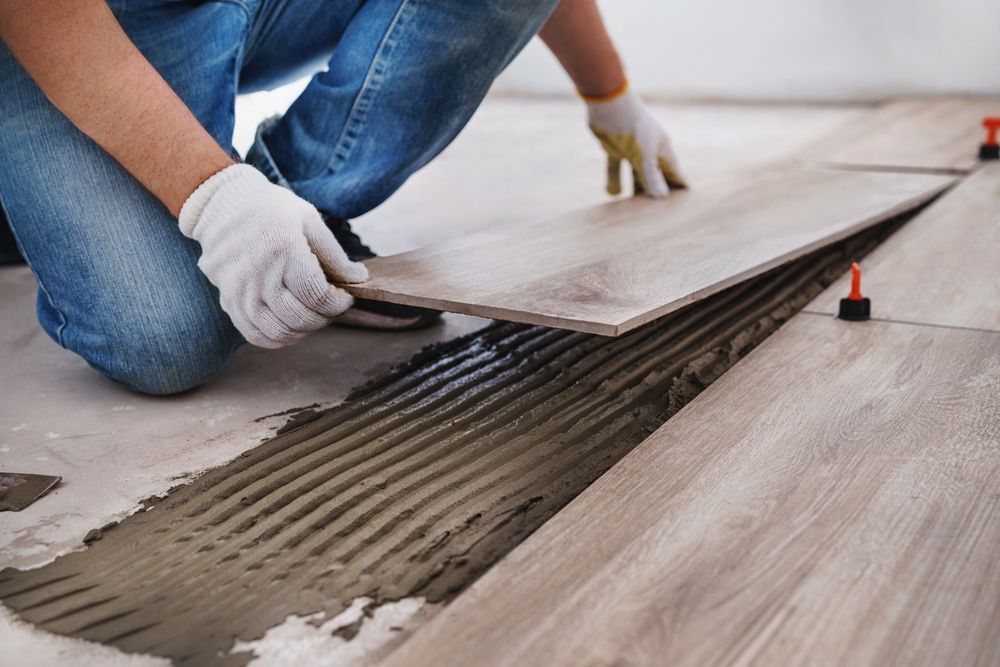
Jones Floor and More installs tile in kitchens, bathrooms, and entryways across Cairo and central Missouri using a substrate-specific approach that prevents the cracking and lippage failures common when one setting method is applied regardless of floor condition. Older Cairo slab and wood-frame floors require mortar bed evaluation before any tile goes down—skipping this step causes cracking within a year, and Boonville's historic homes present similar substrate challenges. The mortar mix and setting method are chosen based on whether the substrate needs a mud bed, cement board, or membrane, not defaulted to whatever method is fastest.
The installation begins with a substrate assessment to determine deflection, moisture levels, and structural integrity, then the setting method is matched to those conditions. Wood-frame floors often require additional bracing or a decoupling membrane to prevent tile from telegraphing movement, while older slabs may need a leveling coat or crack isolation layer depending on what the evaluation reveals. The grout type and joint width are also selected based on tile size and location—not applied uniformly across every job.
Schedule a property evaluation to identify substrate conditions and determine the setting method your floor requires.
What Proper Tile Setting Prevents Long-Term
When tile is set with the correct mortar bed and substrate preparation, you avoid the cracking, loose tiles, and grout failures that show up within months when shortcuts are taken. The setting method determines whether the tile remains bonded through seasonal movement, foot traffic, and moisture exposure. Jones Floor and More selects the approach based on substrate type, not convenience, so the tile stays level and intact.
After installation, you'll notice that grout lines remain consistent, tiles stay flat without lippage at the edges, and the floor feels solid underfoot without hollow spots or flexing. The surface withstands daily use without cracking at corners or loosening near high-traffic thresholds, and water does not penetrate joints or seams in wet areas. The difference becomes clear when the floor continues to perform years later without requiring re-grouting or tile replacement.
The work includes surface preparation, mortar application matched to substrate conditions, tile layout and cutting, and grouting with appropriate joint fill. It does not include plumbing fixture removal or electrical outlet adjustments, which are scoped separately if needed. Large-format tile requires additional leveling attention due to the reduced tolerance for substrate variation across wider spans.
What Homeowners Ask Before Installation
Tile installation in Cairo often involves questions about preparation, timing, and what the process requires for older homes with mixed substrate conditions.
What determines which setting method is used for my floor?
The substrate type, deflection measurement, and moisture level determine whether a mud bed, cement board, or membrane is required—wood-frame floors and older slabs each have different structural needs that affect the mortar mix and setting approach.
How long does tile installation take for a typical bathroom or kitchen?
Most bathroom floors are completed in two to three days including substrate preparation, setting time, and grouting, while kitchens depend on layout complexity and whether cabinets are already in place.
Why do some tile floors crack within the first year?
Cracking occurs when the setting method does not account for substrate movement or when mortar bed evaluation is skipped—older Cairo homes with wood-frame floors are especially prone to this failure if a rigid setting method is used without a decoupling layer.
What should I look for to know the tile was set correctly?
Grout lines should be consistent in width, tiles should sit flush without edges raised above neighbors, and tapping the surface should produce a solid sound without hollow spots that indicate incomplete mortar coverage.
Does the grout type affect how the floor holds up?
Grout selection depends on joint width and exposure—sanded grout is used for joints wider than one-eighth inch, and epoxy grout is recommended for high-moisture areas where standard cement-based grout would deteriorate.
Jones Floor and More serves Cairo and the surrounding region with tile installation that starts with substrate evaluation, not assumptions. Request a detailed estimate based on your floor type and the setting method your substrate requires.